
Virat Kohli, the Chase Master: Why His ODI Run-Chase Record May Never Be Broken
A look at the numbers, the temperament and the era that combined to make Kohli cricket's greatest run-chaser
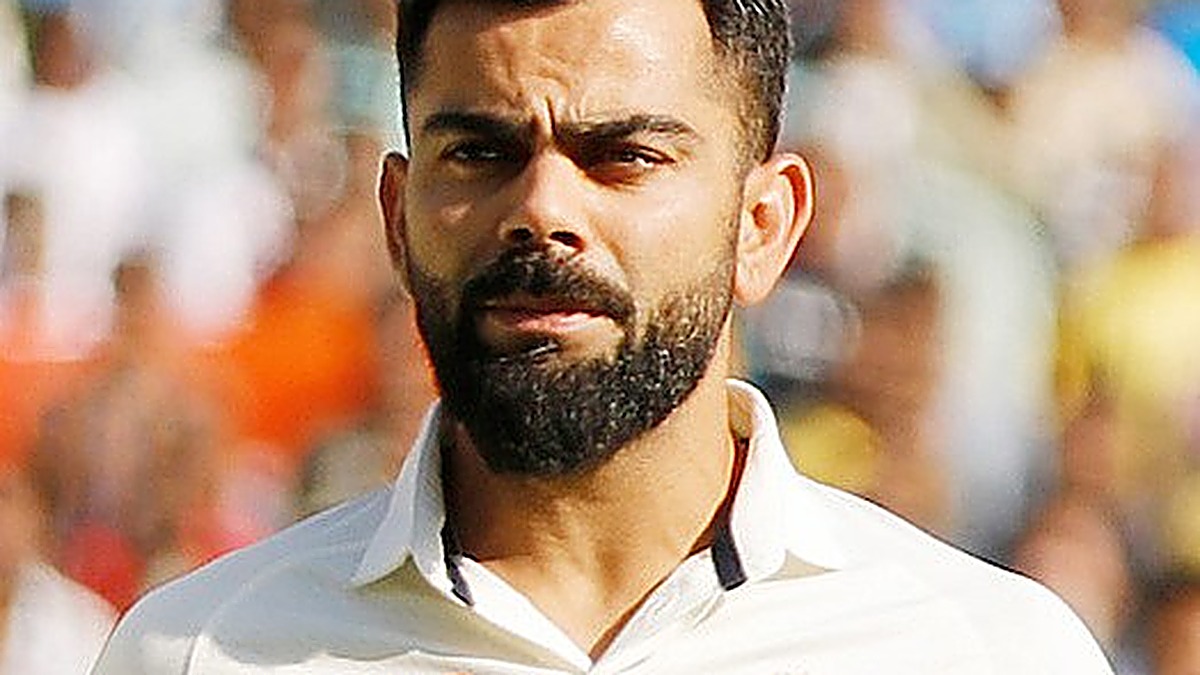
Photo: Prime Minister's Office (GODL-India), via Wikimedia Commons
A Skill Set Built for Chasing
Few reputations in modern cricket are as unanimously accepted as Virat Kohli's standing as the greatest chaser of totals in one-day international history. It is not merely a statistical quirk; it is a body of work built match after match, series after series, where Kohli treated the second innings of an ODI as a mathematical problem he alone seemed to have solved. Long before the result was decided, he appeared to already know the equation he needed to balance - required run rate, remaining overs, wickets in hand - and he solved it with a consistency that separates him from every other batter of his generation.
What made Kohli different was not raw power, unlike contemporaries who could simply overpower an asking rate. His method was pace-craft: absorbing pressure in the middle overs, refusing to gift his wicket, and then accelerating with a calm inevitability once the platform was set. Bowlers rarely dismissed him through aggression; they had to wait him out, and by the time he was truly set, the match had usually tilted beyond recovery.
Why the Numbers Stand Alone
Kohli's tally of centuries scored specifically in successful run chases remains the benchmark by which the category is measured, comfortably ahead of anyone else to have played the format. His average when batting second in ODIs sits in a different bracket altogether compared to his own numbers batting first, an unusual split that underlines just how deliberately he adapted his game to the chase. Where most great batters have a broadly similar record regardless of which innings they bat in, Kohli's numbers batting second are on another plane - a signature of a cricketer who treated chasing almost as a specialist discipline within the wider sport.
Comparisons naturally arise with other era-defining finishers - Michael Bevan's calculating brilliance for Australia, Sachin Tendulkar's ability to dictate a chase from the top, or MS Dhoni's icy finishing touch for india. Kohli's case is distinct because he combined Bevan's temperament with Tendulkar's stroke-making authority, doing so match after match across a career rather than in isolated purple patches.
Why the Record May Be Safe Forever
Several factors suggest this particular crown may never be seriously challenged. First, the ODI format itself is shrinking in central importance as franchise T20 cricket dominates calendars, meaning fewer players will accumulate the sheer volume of chase innings Kohli did across a long, ODI-heavy prime. Second, the modern game increasingly rewards front-loaded aggression from ball one rather than the patient, wicket-preserving approach Kohli mastered, meaning fewer batters are even attempting to build an innings the way he did.
Third, and perhaps most significantly, Kohli's fitness and hunger sustained this method for the best part of fifteen years without major dips in intensity - a longevity that is genuinely rare. Players like , and have shown glimpses of similar chase temperament, but replicating an entire career's worth of clutch chasing, across multiple ICC tournaments and continents, is an entirely different challenge.
Frequently Asked Questions
Why is Virat Kohli considered the best ODI run-chaser ever?
Kohli holds the record for most centuries scored in successful ODI run chases and has a significantly higher batting average when chasing compared to batting first, a gap unmatched by his peers.
Who are Kohli's closest rivals as great chasers in ODI history?
Michael Bevan and MS Dhoni are often cited alongside Kohli for their chasing temperament, though neither combined stroke-making volume with consistency across as long a career.
Why might Kohli's chase record never be broken?
The shrinking prominence of ODI cricket, a shift towards front-loaded aggressive batting, and the rarity of sustaining such fitness and focus over a long career make his record extremely difficult to replicate.